Steve Deeley

Naturalist. Nature writer. Nature photographer.

lockdown diaries 23rd May

It’s the fifth month, which is not quite halfway around the year from Christmas, but close enough. And a song which has long puzzled me. Ironically, it’s not the fact that ten lords keep leaping or the quandary over why French hens are so much better than any other kind, but the two turtle doves. You see the turtle dove is a summer bird, flying here to join us for our summer and then returning to overwinter in sub-Saharan Africa. It is most definitely a lover of warm days, and it would literally only be seen dead in  the Uk at Christmas. The origins of the song – it dated from the late 18th century – are lost in the mists of time, and sadly the turtle dove may also end up lost to us as well, because it’s in dire trouble. It’s UK’s fastest-declining bird species, having suffered a 94% loss in population since 1995.  Two turtle doves is a rare thing indeed.

So this week saw me at RSPB Otmoor. Although much of the reserve is closed, the footpaths and bridleways are open by law, and so I spent some time looking for these birds. A handful arrive every year, and the staff at the reserve sprinkle seed down in the hope that visitors may see them. I spent the whole of a humid, stinking hot day at Otmoor, without seeing them, but didn’t regret a minute of it. Ahairy dragonfly, a Cetti’s warbler, little egret, lapwing, curlew, cuckoo, red kite, marsh harrier, hobby and even a regular flypast by a bittern kept me more than happy. But all good things must come to an end, so eventually, when I ran out of water to drink, I started to walk back to my car. I halted, purely out of habit, near the area where the turtle doves are most often seen – just as a pair came down. They fed for perhaps two minutes before flying off, and this was their only appearance for the whole day. It felt as though they had waited just for me.

So I’m afraid you can keep your milkmaids and leaping lords. I have my two turtle doves, and I’m a very happy man indeed.
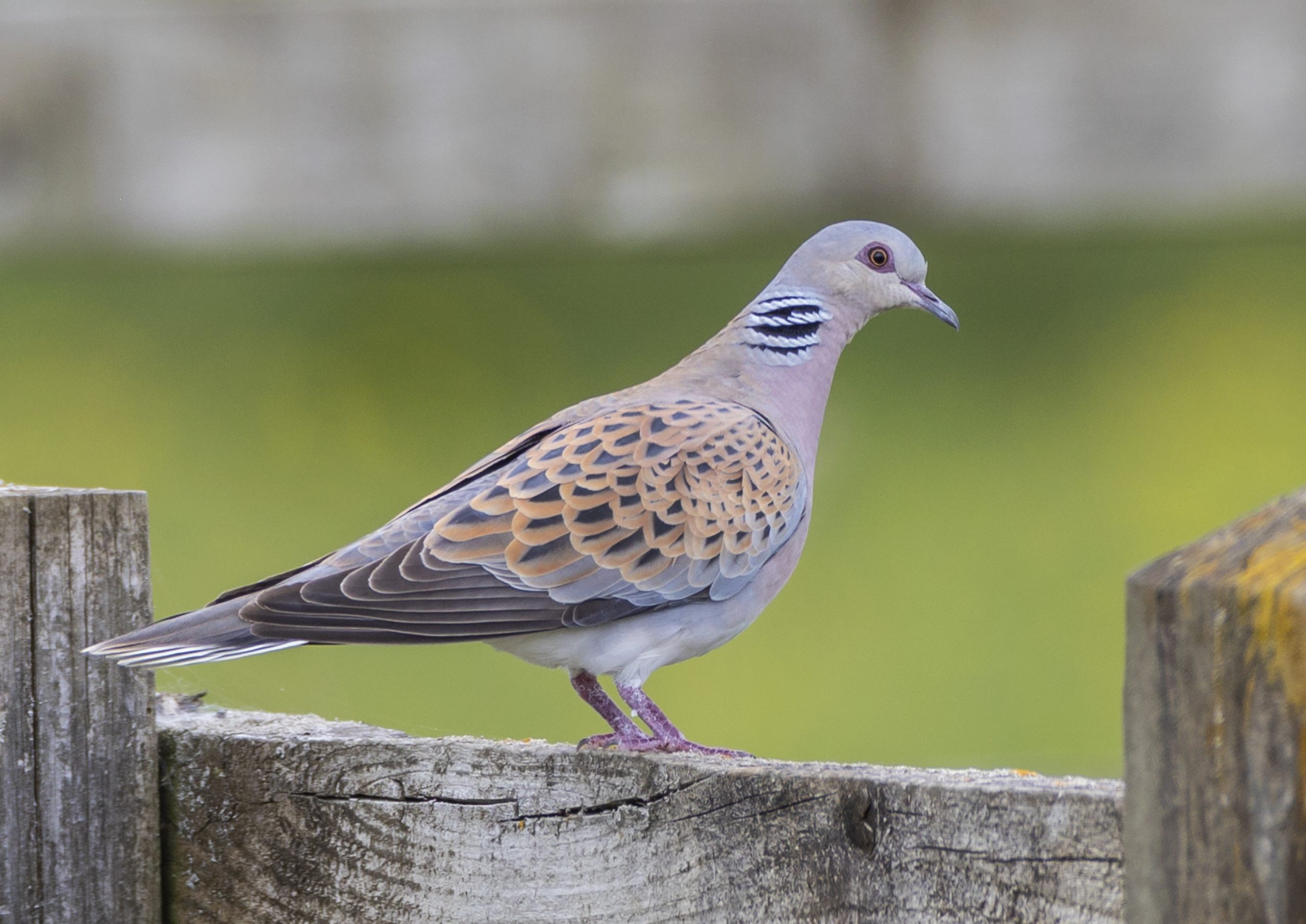
turtle dove
turtle dove


Lockdown diaries 21st May

There’s been a break in the lockdown diaries recently, caused in part by an IT failure at home. That sounds so much more innocent than “I messed up an update and wrecked my website,” doesn’t it?  The other reasons for the absence of updates are (a) decoratng the master bedroom, for the first time in 25 years (yes, I did say 25. Mrs. D is a very patient person) and (b)  I have been taking advantage of the new freedoms and the nice weather to go in search of species I’ve been waiting a whole year to try and see.

Missing a year because of Covid-19 is nothing compared to the suffering of so many families during this crisis, but it’s still a frustration when something which happens only once a year is missed. And so I’ve said farewell to the chance to see the dance of the Grebes and the dance of the Adders. I’ve missed male Sand Lizards in their bright green mating colours, and the Duke of Burgundy butterfly is pretty much done for 2020. I already know that some species I desperately wanted to see for the first time this year – the Cryptic Wood White and chequered skipper butterflies, and in all likelihood the Scottish butterflies and dragonflies – are  likely to be off the menu as well. But the weeks have brought surprising comfort closer to home as I’ve discovered palaces, habitats and species I didn’t know about, right next to my home.

I couldn’t write about it until now, but the picture of a kingfisher I took a few weeks ago turned out to be a kingfisher sitting outside its nest. It’s the first kingfisher nest I’ve found myself, although I know of others. Sadly, though, the nest was right under a footpath – and yes, I did say “under” – and the kingfishers eventually abandoned it. It was surreal watching the nest from several hundred metres away through binoculars while a family were actually standing right on top of it, posing for pictures, completely unaware of the life that was literally beneath their feet.

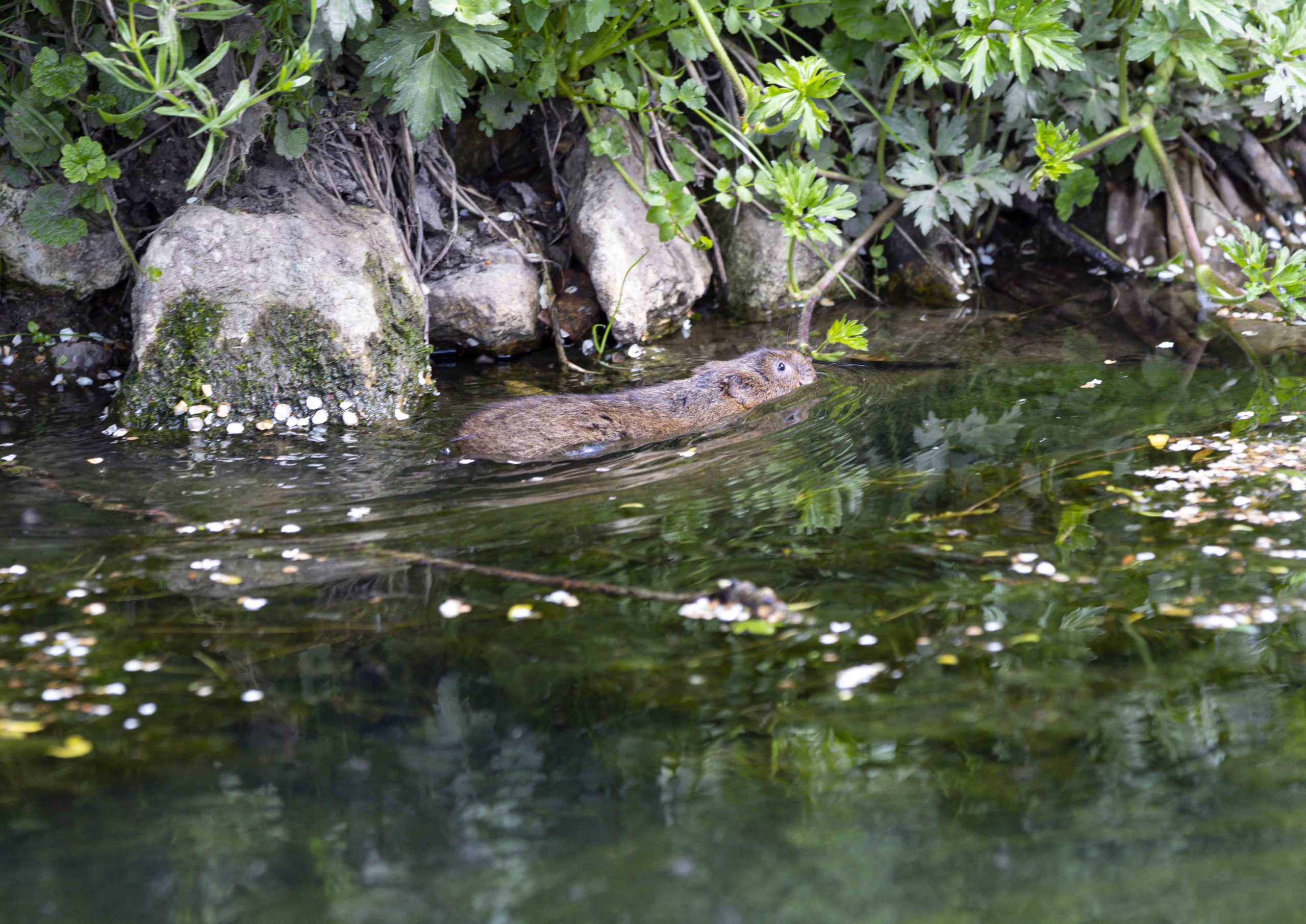
The other unexpected surprise was to find  a water vole colony just a few minutes’ walk from where I live. I’ve tried to photograph the individual voles to be able to assess how many are living there, and it’s at least three. This burrow system, too, is in a section of river where people often sit and picnic, or let their dogs jump into the water to cool off. The first time I saw the voles, they were actually swimming right past a family who has stopped to have a meal by the water.  And so the picture for today is one of my newly-found  local voles.

water vole

water vole

Lockdown diaries 4th May

Today was a day for the Odonoata or dragonflies to really start to show up. In my local area are some ponds, part of a flood relief scheme, and over the last few years they have sprouted, like a developing beard, the tall stems and fluffy heads of reedmace (called bullrush when I was young) and the sharp, spiked points of rushes. These shallow, warm pools are the perfect habitat for dragonflies, and I have watched over the years as the number of species has slowly increased. Today was the turn of the broad-bodied chaser, a corpulent dragonfly that looks rather unfortunately as though its back end has been run over by a car. But when recently emerged, as this one was, they are the colour of freshly poured gold.

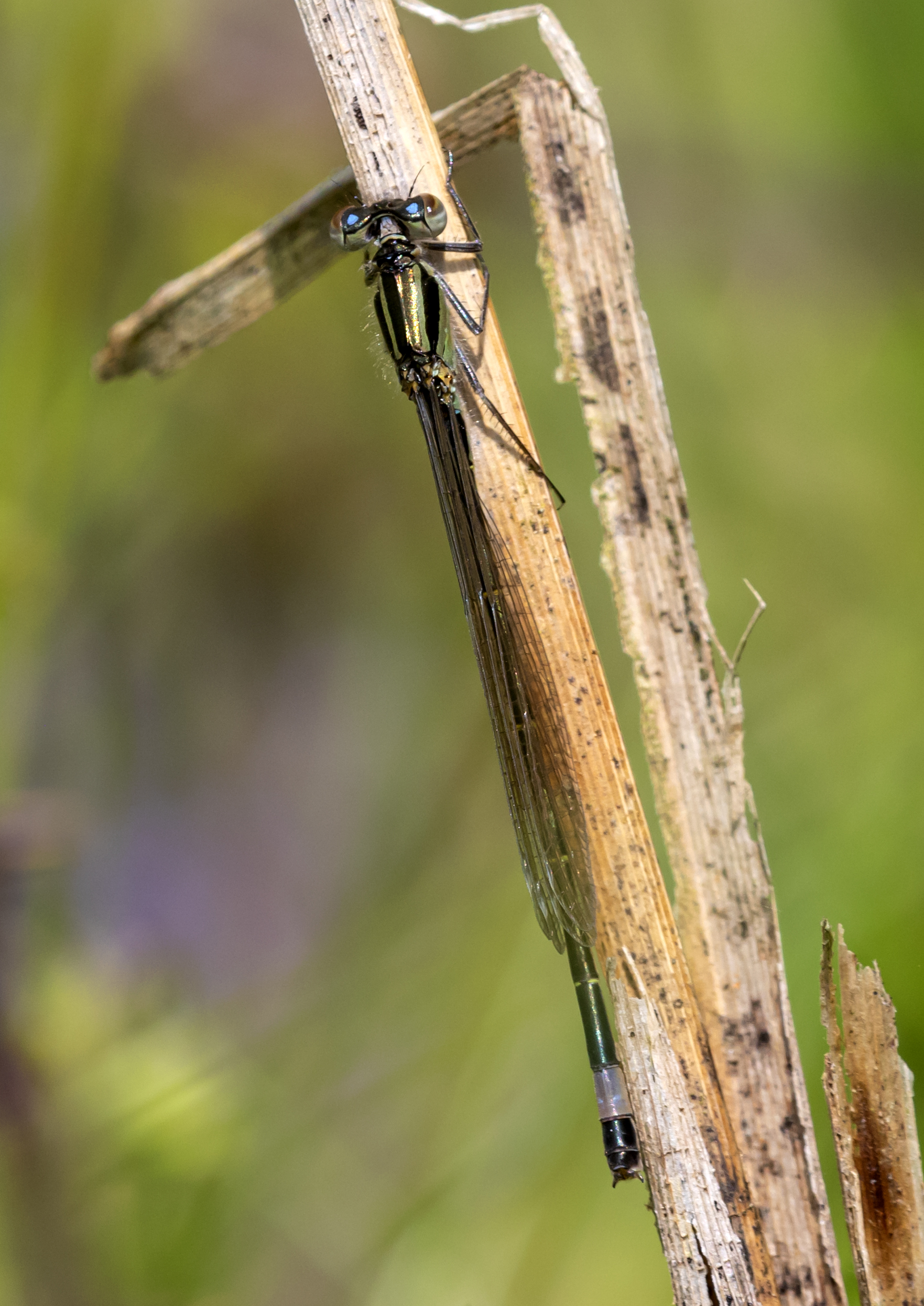
Also emergent were some large red damselflies, which as the name suggests are larger than most damselflies and also… well, red. But then I spotted one which intrigued me. Now I should explain that damselflies are hugely challenging to identify because:

a) there are lot of different species often found flying together

b) A lot of the species look very similar indeed, and often come in colour variants – so exactly the same species can come in different colours. A bit like people, when you think about it.

c) young damselflies (called “tenerals”) change colour, sometimes dramatically so.

So a young damselfly of one species may look very much like a youngster or an adult from a different species. In some cases a correct identification may depend on a microscopic check on the shape of very small parts of this very small insect. In this case, the blue eye spots are like a common blue. The markings on the side probably rule out the Azure. I’m fairly sure it is a teneral female blue-tailed damselfly. But it could be a teneral emerald. Or perhaps something else. I’ll let you decide

Lockdown diaries 28th April

No sign if the kingfisher on my walk today, and I was beginning to worry until I heard the familiar “peep-purrp” sound flashing down the river, chasing the bird itself. You don’t always have to see a kingfisher to know it’s there. The hand-buzzer rasping of a whitethroat  entertained me, as it flew from bramble stand to bramble stand, always keeping fifteen or so feet ahead of me as I walked. And then, joyously, it did a skylark-like display flight, floating up perhaps fifty feet into the sky, trilling its heart out. I hope I don’t diminish the whitethroat by saying that it is not a patch on the skylark, that evocative angel of summer days, but it was a creditable effort. I rounded my day off with my first view this year of a four-spotetd chaser dragonfly, absolutely pristine, as if it had been freshly cast in pure gold. A beautiful end to a shorter than usual walk.

A rose by any other name – lockdown diaries 2nd May

I went for a walk in the rain today. It was generally a beautiful day, with blue skies and scudding white clouds. But a low pressure anchored off Scotland’s east coast brought a steady westerly gale, driving a series of intense rainstorms across Wiltshire like bullets from a stuttering gun. “April showers” sounds such a wonderful phrase, but “May downpours” is far nearer the truth, albeit less poetic. Most of the wildlife today was smarter than me and was keeping to the depth of the hedgerows and the bottom of the grass tussocks to stay out of the rain. A bit of grey plastic caught in a riverbank hedge resolved itself into a large grey heron, irate at being disturbed, who lofted with an indolent flap of wings and then scolded me for perhaps a quarter of a mile with its brassy, vuvuzela bugles of outrage. A few wandering whitethroat buzzed from hedgerows, and in between the storms, a lone buzzed circled, taking advantage of thermals caused by rain evaporating under a moderate sun.

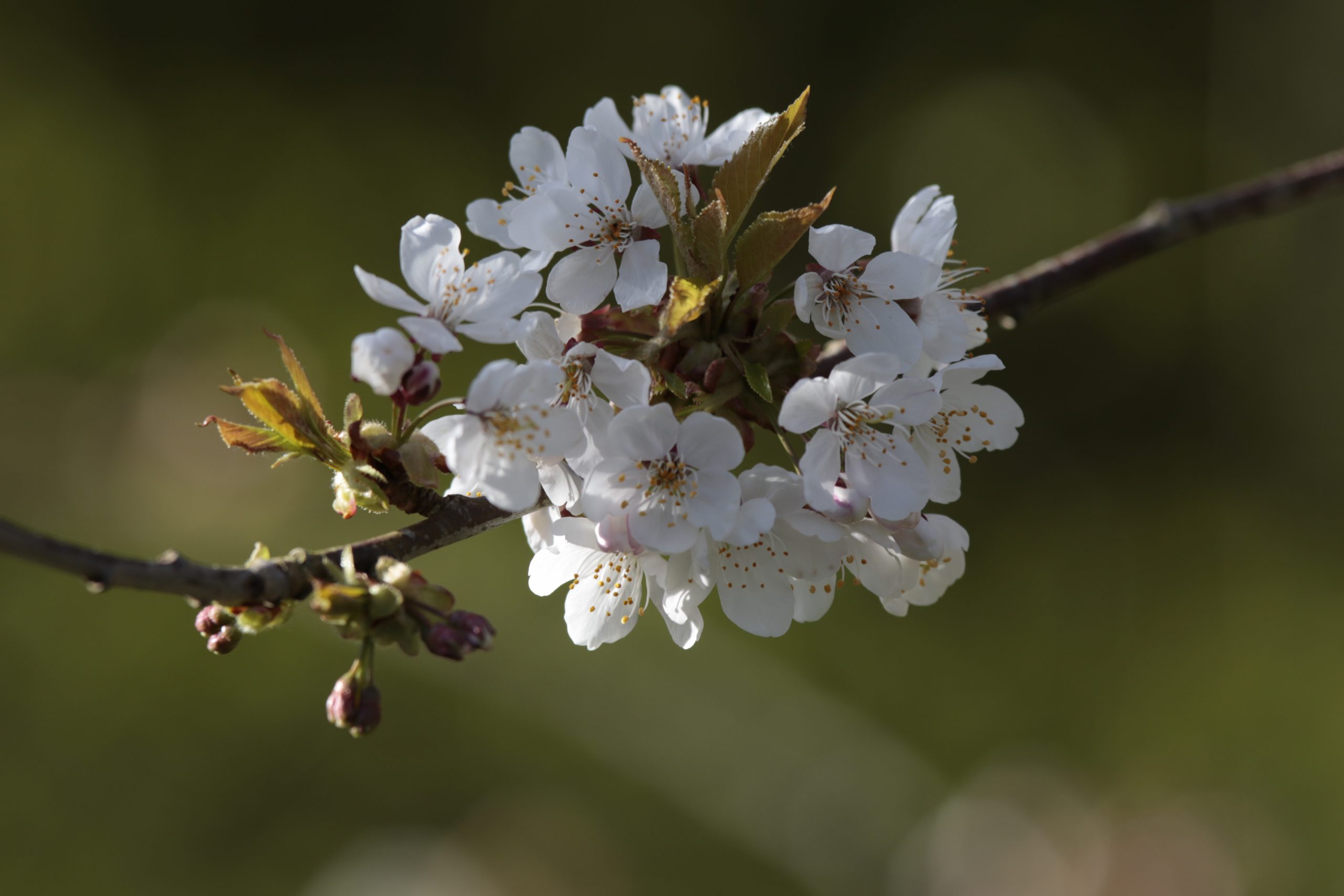
Hawthorn flower in sunnier times

With little else to do, I amused myself by trying to describe the smell of the wet landscape, and in doing so I suddenly caught a hint of a pleasant, perfume-like odour. I spent some time trying to track it down, by the simple method of sniffing everything around me – grass, tree bark, ivy – hoping that nobody else on a walk arrived to catch me doing it. In the end I tracked it down the flowers of the hawthorn. Perhaps I’m simply unobservant, but I have never noticed the smell of hawthorn before. I sniffed the flowers deeply, and came up a very faint flutter of the scent of… roses. I thought I was being foolish until I got back home and checked – and yes, the hawthorn and the rose are very distant relations, both members of the family Rosacea. And so another day closes where I have found out something new about the world around me. I wonder what tomorrow will bring?

Lockdown diaries 25 April

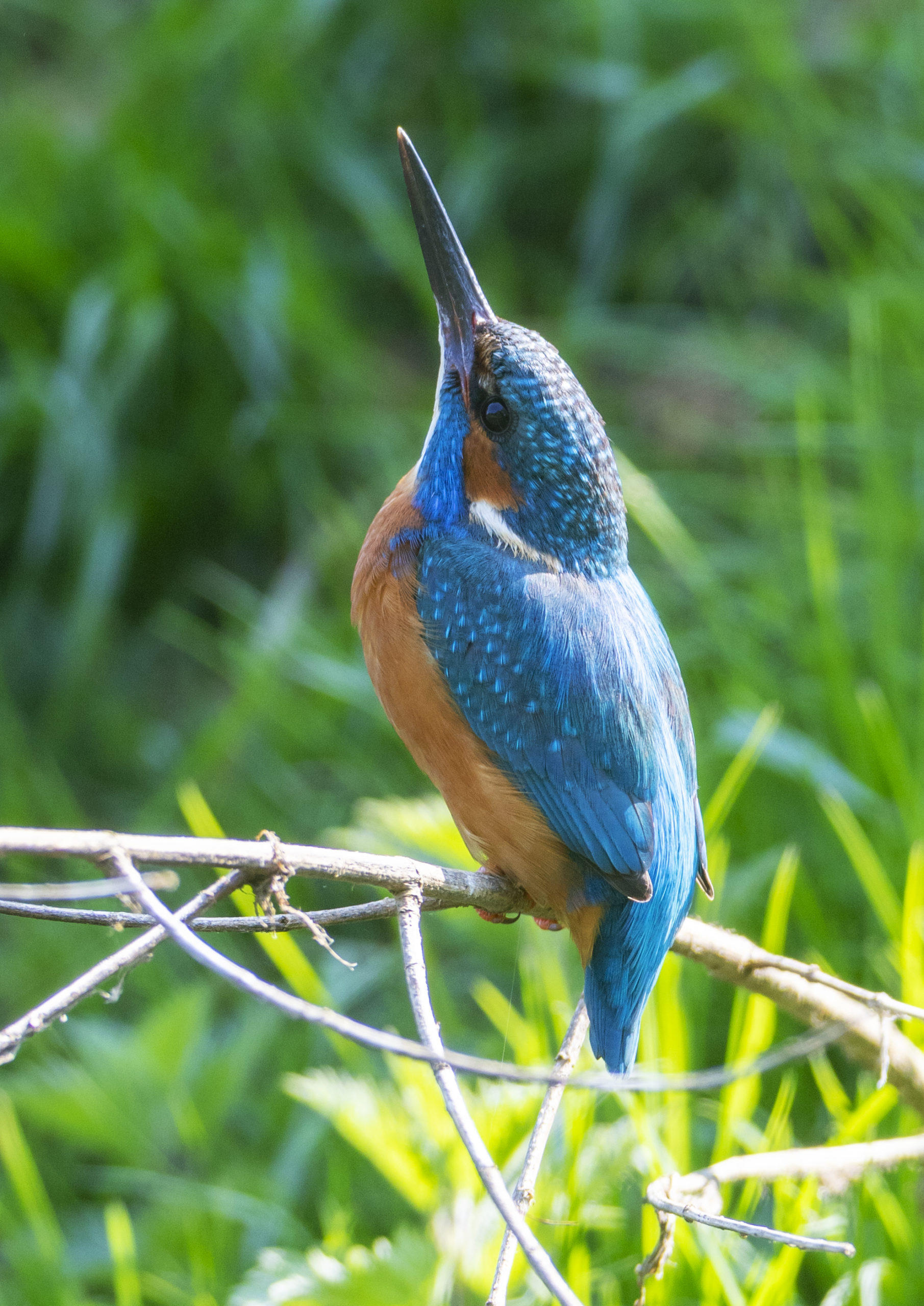
A pleasant walk today, in which my old friend the Kingfisher popped up very close to me while I was taking a brief rest from my daily walk. I was happy to see him, especially as he sat still long enough for this photo.

male kingfisher

male kingfisher

I was puzzled for a while by what seemed to be patchy fog, in the middle of a hot and sunny afternoon. It turned out to be the downy seeds of the willow tree – the “pussy willow” –  drifting on the wind in their millions. Willow is one of the most resilient of trees, as I find out to myself once years ago when I planted a few sticks in the ground to mrk te edge of a lawn I was seeding – only to find each of the sticks growing into vigorous new willow trees.

Today I also saw my first banded demoiselles of the year – these beautiful small damselflies come in two striking metallic colours, blue for the boys and green for the girls. Watching them dance over the water made me feel that summer (hopefully a lockdown-free summer) is fast approaching.


Lockdown Diaries 24 April

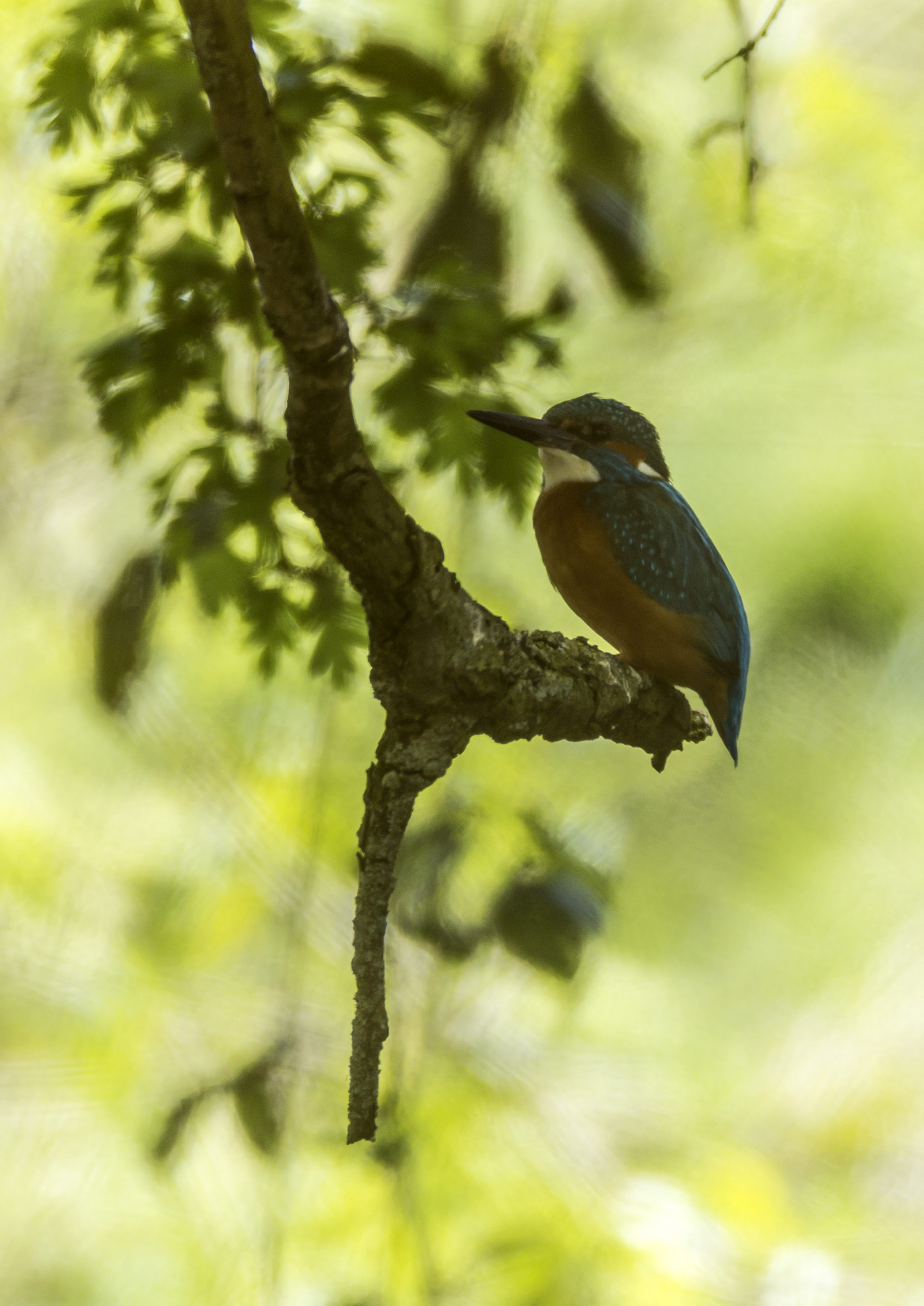
Today’s walk was a joy. Partly because I’m now regularly seeing a kingfisher, one of two pairs that are local to me. I searched for kingfishers for many years before I realised that they are actually to be found near my home, on the same lake where the grebes hang out. I strongly suspect that they are nesting, which means that I have to be extremely careful not to inadvertently disturb them close to the nest – it’s an offence, and can harm their chances of breeding. So I’m being careful. But I did manage to see this beautiful male deep in the shade of a willow.

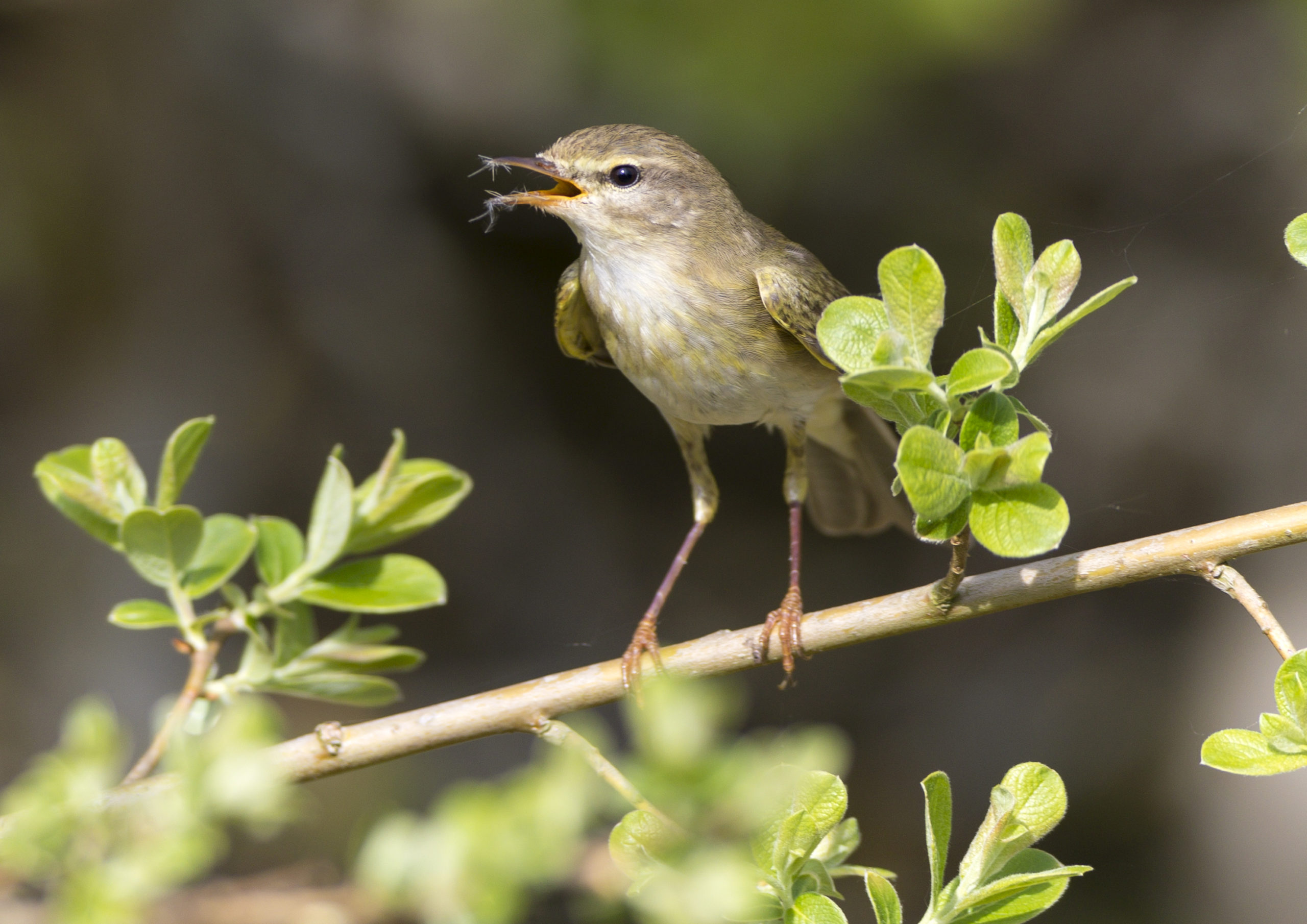
But there was better to come. As I returned home, there was a furious squabbling in a hedge to my right, and a small bird burst out. It landed on a nearby branch and started to sing furiously, powerfully. I’m not good at sorting out the many members of the warbler family (there are many of them, and they all look very similar) but I think this is a reed warbler. It is only when I got home that I realised that the warbler still had feathers clinging to its beak, plucked (I assume) from its rival.

Today also saw the first of the year’s damselflies for me – a large red, and a number of banded demoiselles. Hedgerows bursting with lead and song, warm sunshine on my back, and baby moorhen, looking like balls of black cotton-wool which some child has iced with coloured blobs to represent a face. Many blessings to count today.


Lockdown diaries 23rd April

For someone who loves the outdoors, Lockdown is a trial. But it’s a small price to pay to save the lives of others. As the situation has gone on, I am starting to learn from friends that their loved ones have died. It’s a tide, gradually getting closer to home, and inconvenience is a small price to pay.

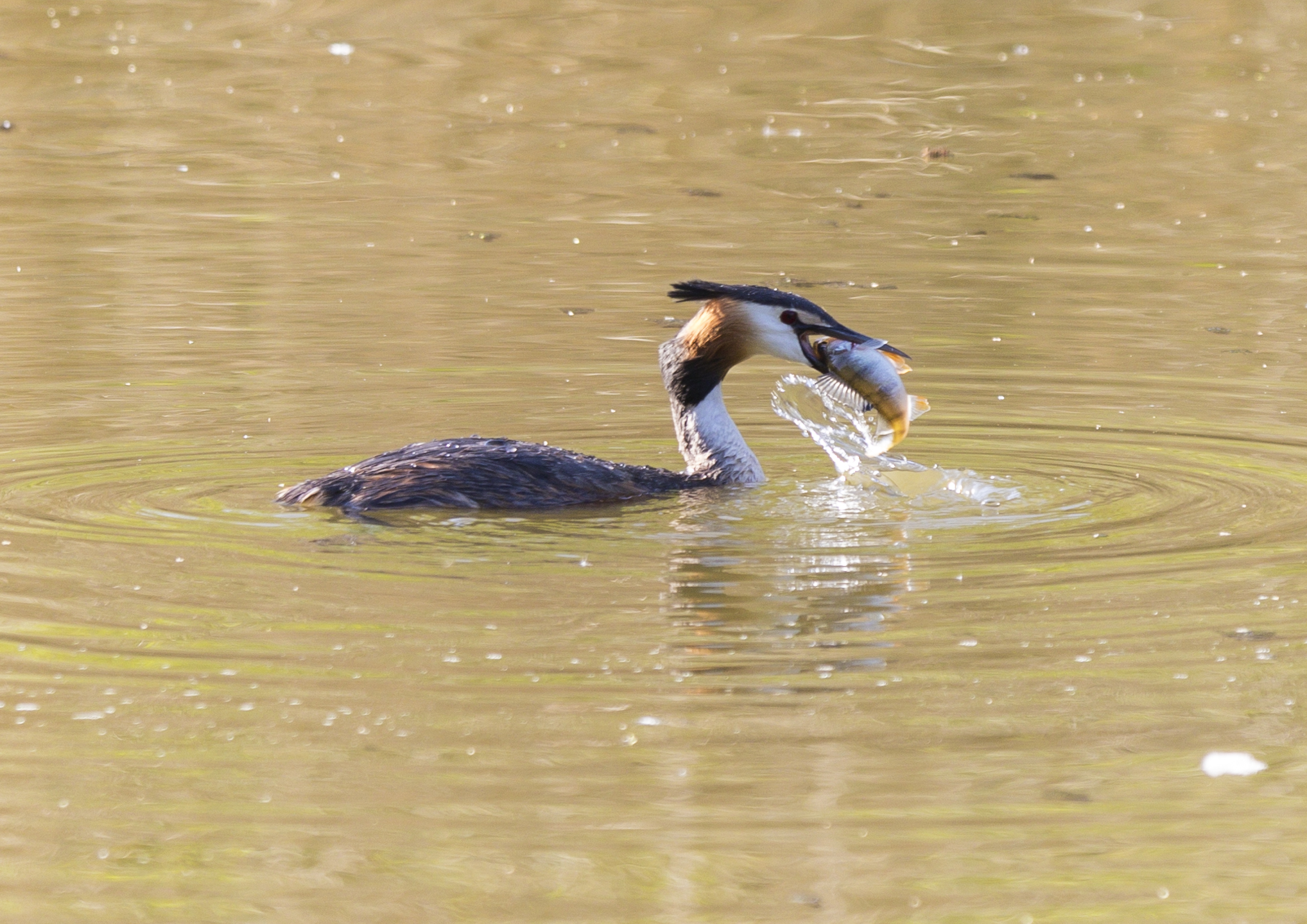
But I am fortunate to have a number of really wonderful walks I can take. Today’s was around my local lake. The Great crested grebes are there, although they have not mated this year – storm Dennis came in and literally seemed to blow the grebes out of the water.  But two lone grebes returned, and I suspect that both are female, although it’s really hard to tell. But on today’s walk one of the grebes caught a perch and swallowed it.  How grebes don’t rip their throats open swallowing a fish with sharp, erect spines is one of the mysteries of life.

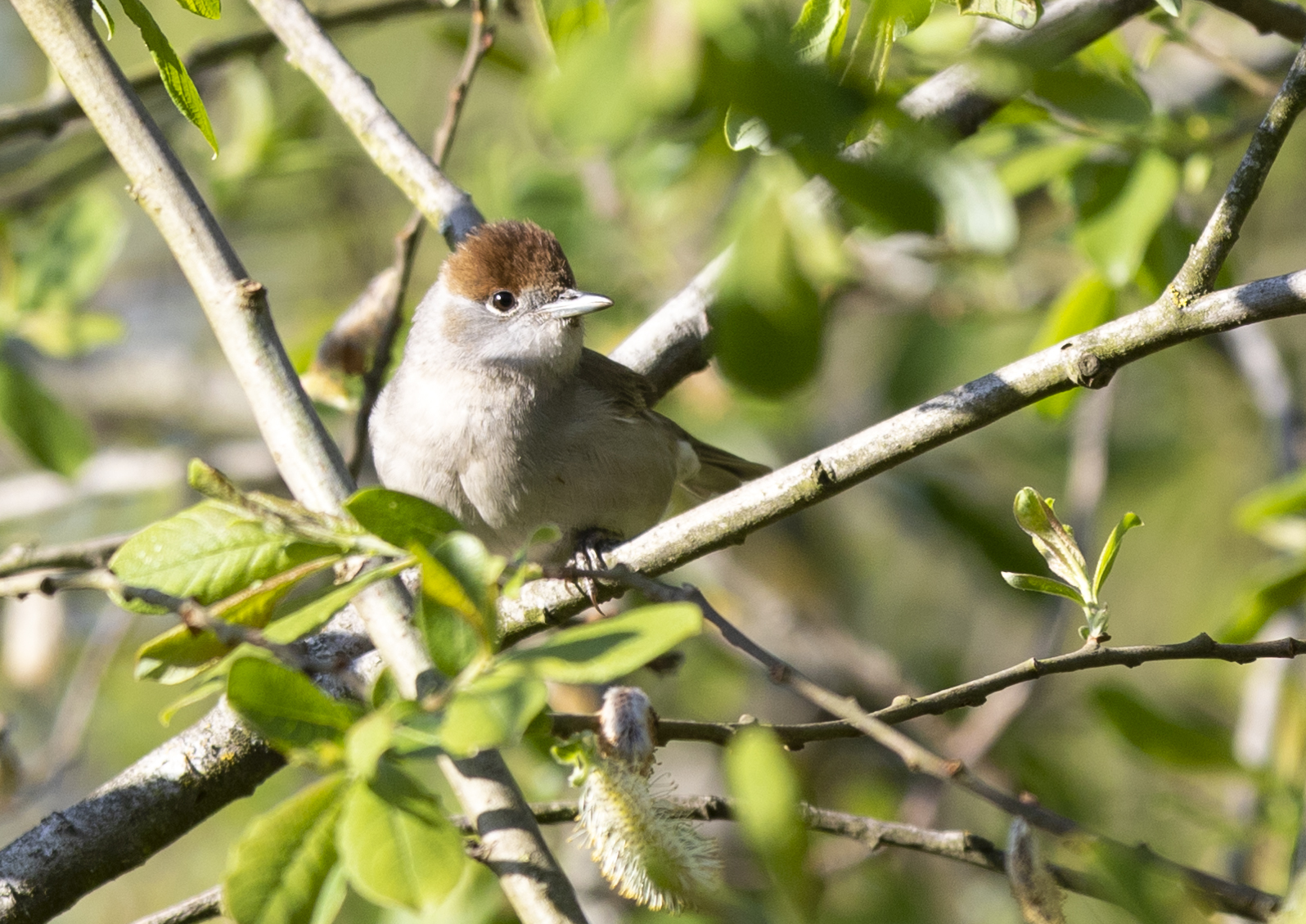
great crested grebe swallowing perchBut then, just as we were returning home, a furious burst of song caught my attention. I don’t know what had made the female blackcap so indignant, but she was clearly furious with something. I just hope it wasn’t me.

female blackcap

All in all, I’d call that a decent set of wildlife encounters for a local walk

A resurgence of sound

Let me be clear –  I am NOT saying that Coronavirus is a good thing. But it does offer us a once-in-a-lifetime chance to find out what the world would be like if we stepped back. I woke this morning to a dawn chorus that seemed exceptionally loud and detailed, full of notes and tones I can’t recall hearing before. And then the penny dropped. Those sounds had always been there, but they were normally drowned out by the sound of normal rush-hour traffic. On an essential journey to collect a prescription, I saw less road kill than usual. This year, which is so desperately bad and frightening for so many people, may give some of our wildlife an unexpected breathing space. It is just a shame that it takes a tragedy of this scale to let it happen.

Where have all the grebes gone?

This time last year, the large lake near my home had five great crested grebes on it. Four formed pairs, one of which successfully raised young. A smaller local lake had one pair on it, which also raised young. The same was true for most of the lakes I could reach in a hour’s drive from my home.

This year, my local lake has one solitary, despondent grebe. The smaller lake has none. I’ve walked five local lakes, and there isn’t a singe great crested grebe to be seen. Great crested grebes are one of the joys of spring, with their elaborate displays of devotion to each other. This year feels empty. Where have all the grebes gone?


Page 5 of 8

Powered by WordPress & Theme by Anders Norén